
2019 – 2023 · Co-founder & CEO · Ancona and Rome
EasyDesk: the app that almost wasn't
Our launch failed on day one. Three weeks later, a whole university was booking through our app.
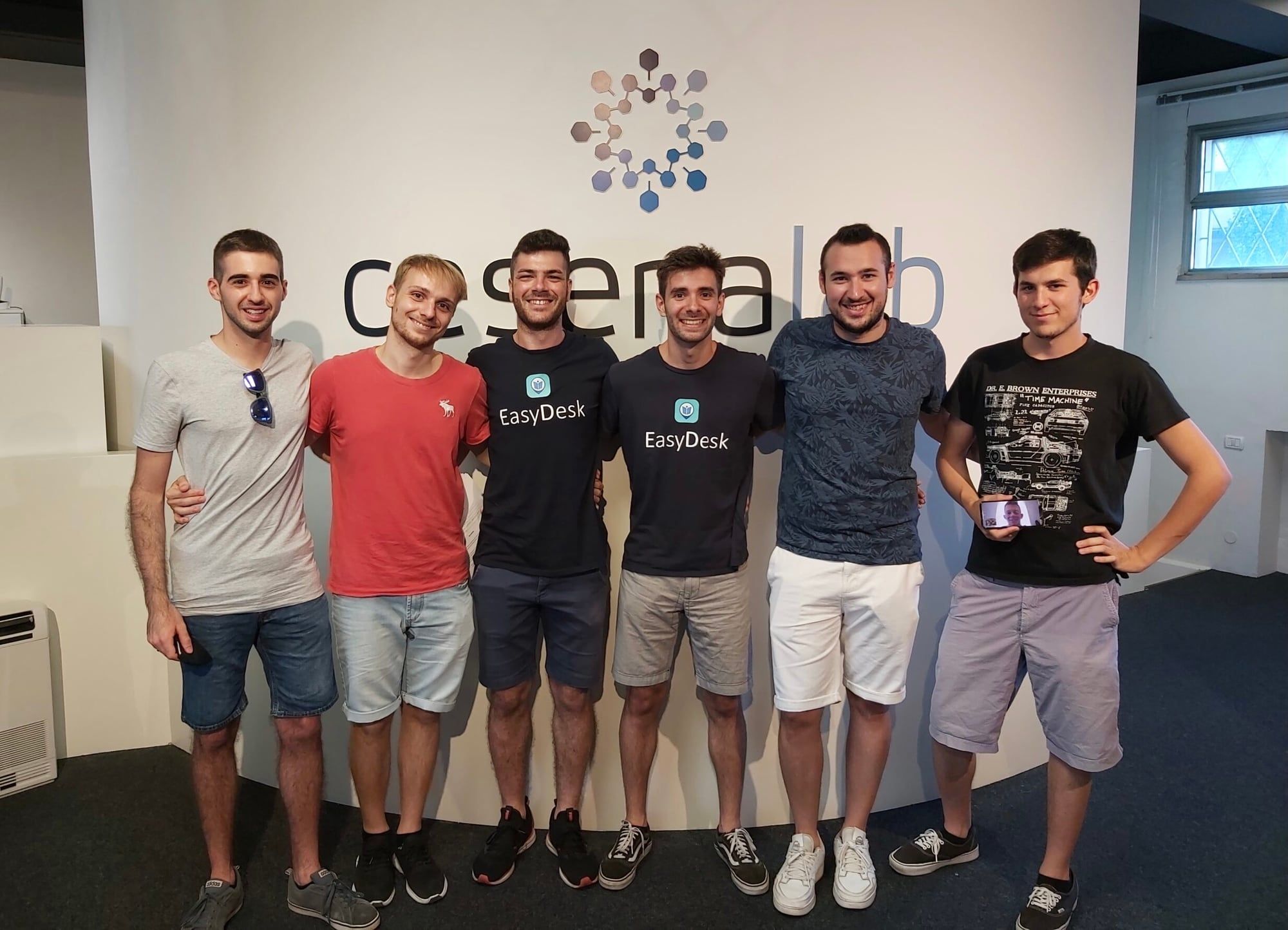
At a glance
- My role
- Co-founder & CEO, 2019–2023. The team grew to eight.
- Problem
- Students held library desks for hours by leaving a book on them.
- First client
- John Cabot University: 168 desks across 19 study areas, plus the gym and the cafeteria.
- Outcome
- In the first three months: 680 downloads, 10,654 bookings and 19,504 hours booked.
The hunt for a desk
Every morning, students at my university raced to the library. The first to arrive left a book on a desk, a note saying “I’ll be back at…”, and disappeared for hours. Thousands of us lived with it. I was the one who couldn’t let it go.
I had an idea: the phone is the one thing every student always carries, so it could prove you are actually at your desk. I had no idea how to build it. So I emailed a computer-science professor: “I have zero technical knowledge, but I have an idea I would like to run by you.” I was sure he’d think I was crazy. He said it was doable. That was all I needed.
A 2013 laptop and a year of nights
I convinced a high-school friend studying computer science to build it with me as his thesis. Our only Mac was mine, a 2013 model, and a single build took more than 25 minutes. For over a year we worked nights around that machine. At the same time I enrolled in a business degree at John Cabot University, because I knew the product alone wouldn’t be enough.
Second place and two accelerators
At the university’s startup weekend, my first pitch went badly. It was the starting point, not the end: I recruited a small team, and we worked two days straight. On Sunday we came second, won two acceleration programmes, and the team grew to eight. The jury asked one question I hadn’t prepared for: “Who is in your team?”. I’ve never forgotten it.
Finding the one customer that mattered
We could build almost anything, so we chased everything: sports centres, restaurants, coworking spaces. My job became teaching an engineering team what I was learning in business school: validate first, focus on one segment, ship early. We chose universities. Weeks later Covid hit, and in May 2020 John Cabot University asked us to make the whole campus bookable: 168 desks across 19 study areas, plus the gym and the cafeteria.
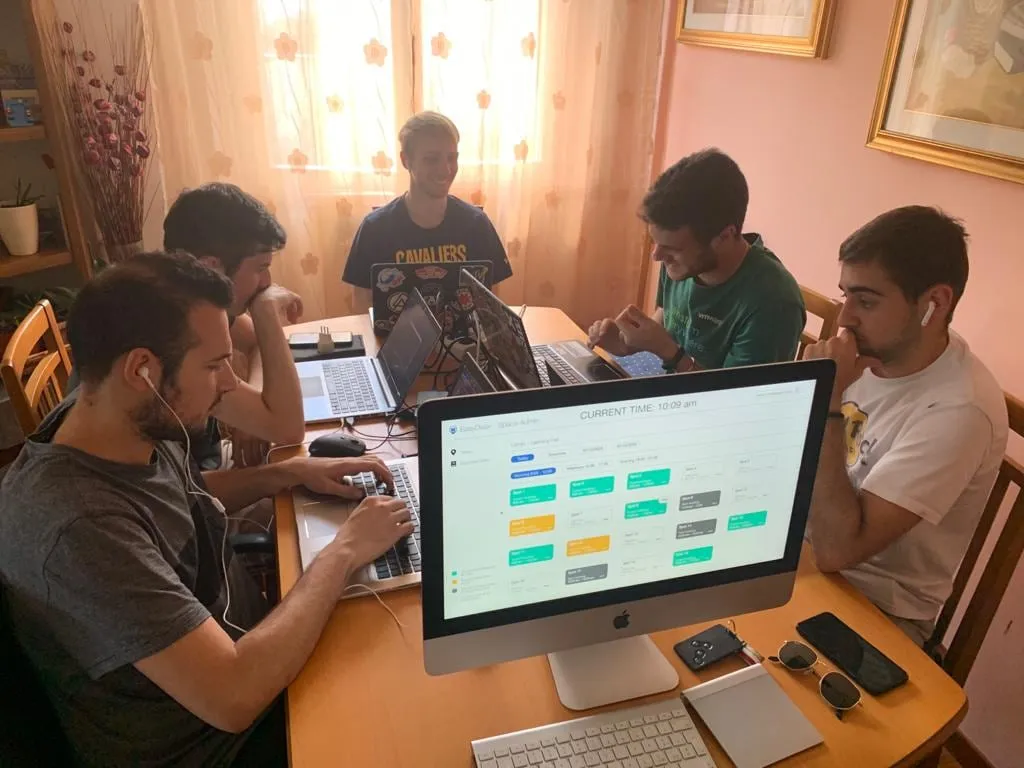 Building the admin platform: every desk on campus, bookable by the hour.
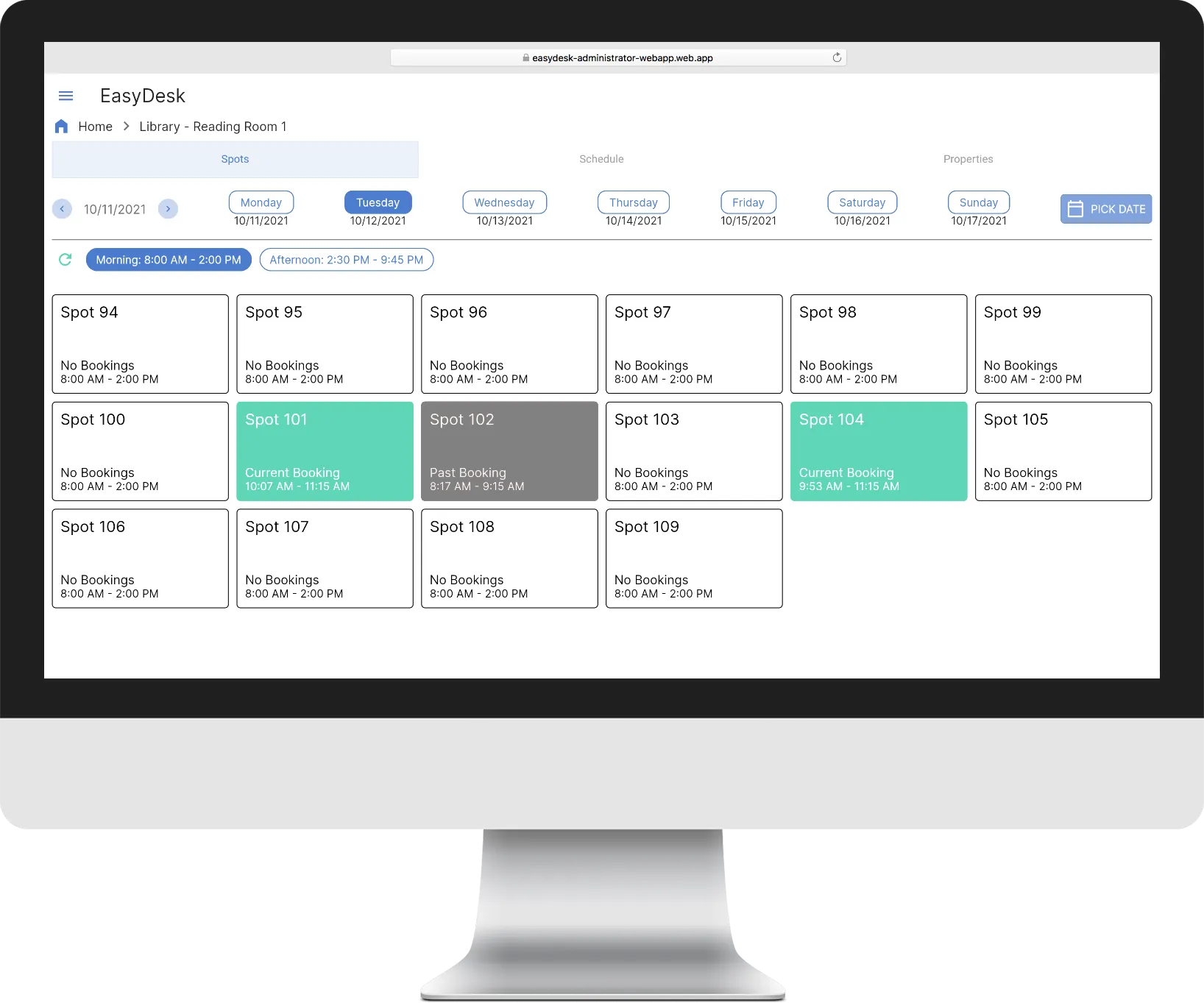 The administration portal the university used to manage its spaces.
September 21st, 2020
We were so eager to please our first client that we said yes to everything. Launch day came, we hit “Run”, and the screen turned red. I went to bed at 4 am and woke at 6 to a message from my co-founder: the service wasn’t ready.
“A whole university relied on our service to safely reopen its facilities, but our product was not ready. We had never felt so bad in our lives.”
I had to call the university’s vice-president and tell him. He gave us more time. We spent the next three weeks fixing every problem at the root instead of patching it.
It worked
The app went live. In the first three months: 680 downloads, 10,654 bookings and 19,504 hours booked. Students tapped an EasyTag on the desk when they arrived, and a notification asked them to tap again every hour. Nobody could hold a desk with a book any more.
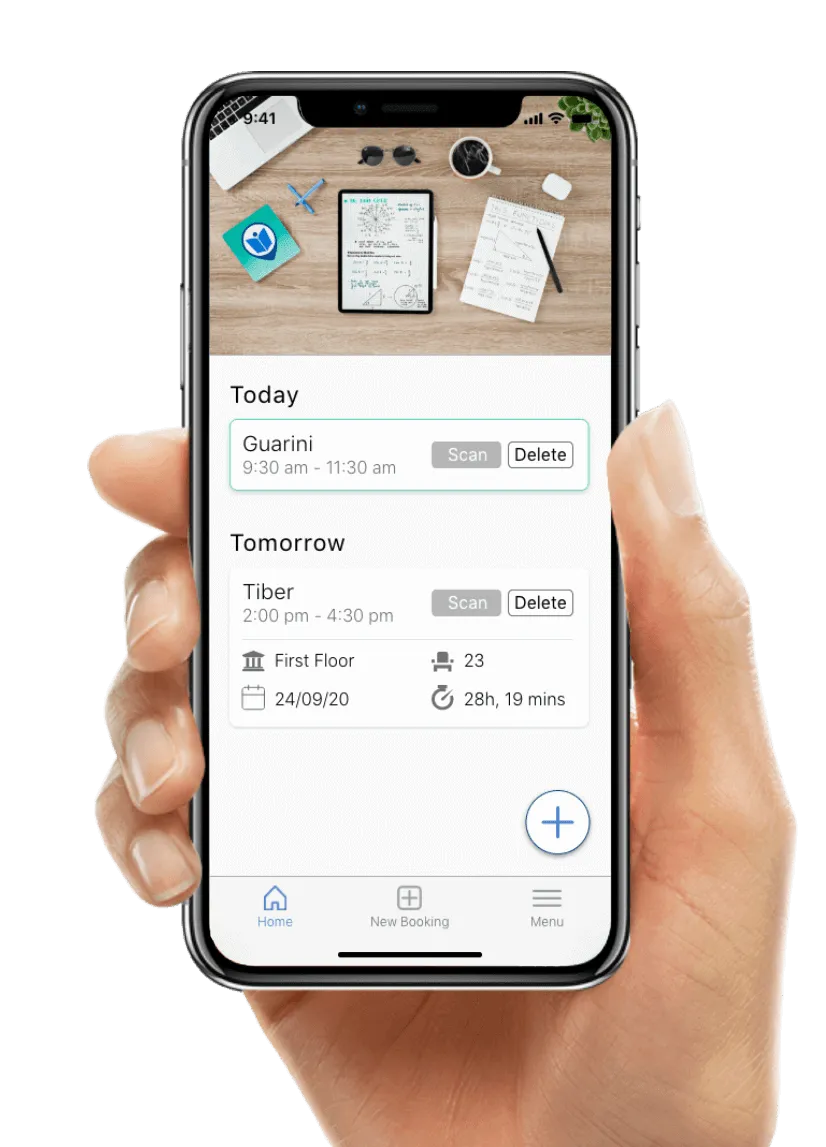 The student app: each booking has a Scan button to confirm presence with the EasyTag.
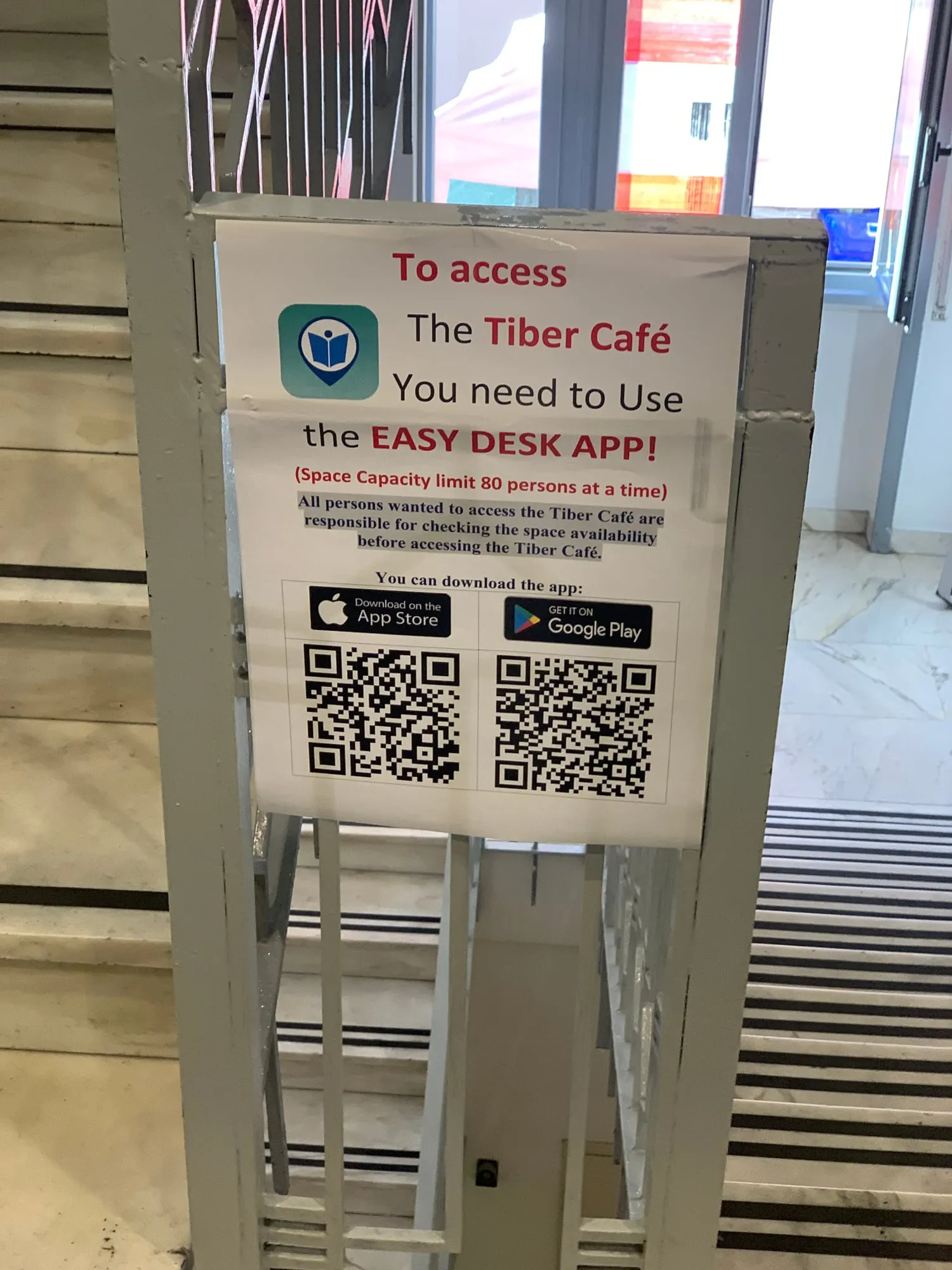
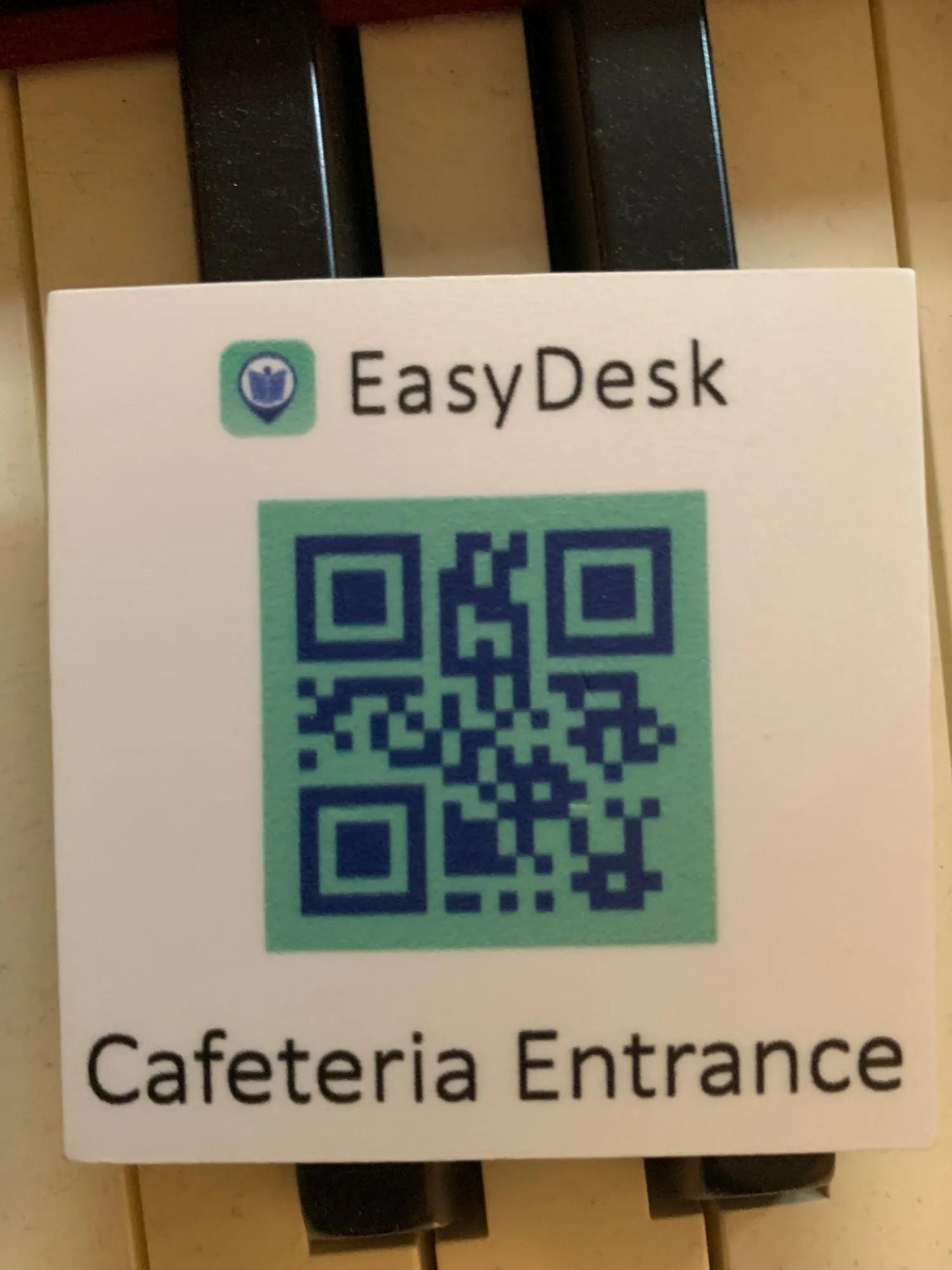 On campus: the Tiber Café opened through the app. Inset: the tag at the cafeteria entrance.
What it taught me
- Done is better than perfect, but done means working.
- Saying no to a client is part of serving them well.
- Own the bad news. When the launch failed, I was the one who called the vice-president and told him.
- Failure is information. That red screen gave us the experience no course could.